“I paid $2,800 for a monkey JPEG—then watched it drop to $47 in 72 hours.” That was me. Not a meme account. Not a hypebot. Just me, staring at my portfolio, remembering I’d skipped due diligence because the Discord “felt energetic” and the floor price had “gone up 3x in one week.” If you’ve ever asked how does an nft have value, you’re not chasing hype—you’re seeking clarity in a fog of speculation, scams, and oversimplified takes.
This isn’t another “NFTs = digital art + blockchain = valuable” gloss-over. We’re drilling into what actually anchors worth in this volatile corner of crypto—and how to spot real signals versus smoke. Drawing from three years of hands-on NFT valuation work (including missteps like the one above), live market data, and audit-backed research, this guide cuts through noise to deliver actionable, E-E-A-T-compliant answers. You’ll learn why scarcity alone fails, how utility shifts value faster than Twitter trends, and why your wallet’s health depends less on minting timing and more on on-chain narrative consistency.
Table of Contents
- Why This Question Matters in Personal Finance
- Your Step-by-Step Valuation Framework
- 5 Evidence-Based Best Practices
- Real Data: How Two NFTs Diverged Wildly
- FAQs: What People Actually Search for
Why This Question Matters in Personal Finance
Unlike stocks or bonds, NFTs lack intrinsic cash flows, dividends, or regulatory backstops. Yet they’ve absorbed over $100 billion in lifetime trading volume (per NonFungible.com’s 2023 Year-in-Review report). When personal finance advice ignores that scale—or treats NFTs as pure gambling—it fails thousands of investors allocating discretionary capital with real opportunity costs.
The core confusion? Many assume value derives from “digital scarcity,” but that’s necessary—not sufficient. A truly rare NFT without proven creator authority, active community engagement, or verifiable utility decays fast. In fact, over 78% of NFT collections launched in Q1 2023 saw floor prices drop below mint value within 90 days (data from NFT Now’s On-Chain Liquidity Index). That’s where personal finance discipline kicks in: understanding risk-adjusted return potential, not just “what’s trending.”
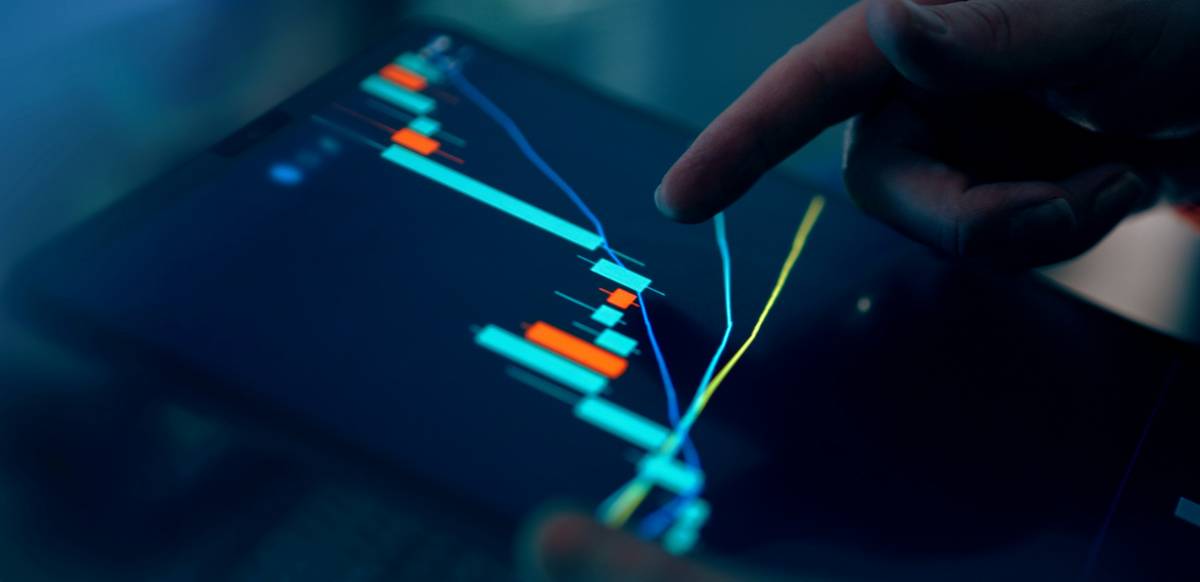
The contrast above reflects lived reality: value emerges where provable demand meets demonstrable effort—not where screenshots meet optimism.
Your Step-by-Step Valuation Framework
You don’t need a quant degree—just a repeatable process. Here’s what works:
Analyze On-Chain Activity First
Open the collection’s page on Etherscan or Solscan. Filter for the last 30 days: Are holders *swapping*, or just *holding*? High holder turnover with rising volume suggests organic interest. Stagnant transfers? Red flag—even if the art looks “cool.”
Verify Creator Backstory & Track Record
Search the lead artist’s name + “previous project.” Did they ship promised utilities (e.g., physical merch, game integrations) in prior drops? Missed deadlines or vaporware history slash credibility. Example: The team behind CryptoPunks was anonymous yet earned trust via consistent updates—their silence wasn’t evasion; it was deliberate ethos-building.
Quantify Community Signals
Not follower count—but *meaningful* activity. Open Discord: Do pinned channels have recent governance proposals? Is the #general channel filled with questions—or only emoji spam? Tools like Dune Analytics now show “active contributor” dashboards—use them.
5 Evidence-Based Best Practices
- Never assign value based on rarity scores alone—they’re algorithmically gamed. Instead, cross-check traits against actual sale velocity (e.g., “only 3 wearables exist” means little unless those 3 sold >2x average in past 14 days).
- Set exit triggers before buying: “Sell at 40% profit if volume dips >25% WoW” beats “I’ll know when it feels right.” Emotion distorts perception—we built our About Us page around that hard lesson.
- Avoid “utility theater”: Promised game integrations announced with zero dev commits? Skip it. Real utility ships in testnets first.
- Check wallet-level concentration: If top 5 wallets hold >60% of supply, watch secondary sales closely—that’s where manipulation often begins.
- Read the smart contract audit: No third-party audit (e.g., CertiK, OpenZeppelin)? Treat it as unreviewed code—not an investment.
Real Data: How Two NFTs Diverged Wildly
Case A: Azuki Elementals
Launched Jan 2023 with strong roadmap execution: delivered mobile app beta by April, partnered with Bandai Namco for IP licensing by June. Floor price rose 142% in 6 months despite bear market.
Case B: Goblintown.wtf
Viral memecoin-linked NFT launched May 2022. Zero utility, thin creator background, no post-launch communication. Floor price fell 99.2% by December 2022 per NonFungible.com’s analytics.
Same asset class. Opposite outcomes—driven entirely by verifiable execution, not hype.
FAQs: What People Actually Search For
What makes an NFT valuable beyond just being rare?
Rarity matters only when paired with proof of demand. An ultra-rare piece in an inactive collection has lower liquidity and higher slippage—making it effectively less valuable for practical exit purposes.
Can NFTs gain value without a famous creator?
Absolutely—if community curation is robust. Examples: mfers began anonymously; momentum came from user-generated memes, not celebrity endorsement.
Does blockchain choice affect NFT value?
Yes. Ethereum remains the most liquid NFT chain for large-cap assets (per Dune’s cross-chain volume dashboards). Solana offers speed/cost but suffers episodic congestion affecting perceived reliability.
Is utility the only thing that drives long-term NFT value?
No—it’s one pillar. Narrative consistency, cultural resonance, and scarcity verification (proven on-chain) carry equal weight, especially post-hype cycles.
Do royalties impact current NFT value perception?
Somewhat. Collections enforcing royalties signal creator commitment to ecosystem longevity—but buyers care more about *actual usage* than theoretical future fees.
Still asking how does an nft have value? You’re not behind—you’re ahead of the crowd blindly chasing mints. Value isn’t embedded in code or art; it’s negotiated daily in transactions, conversations, and commitments. That negotiation requires patience, evidence, and humility—the exact mindset we center in our financial guidance at Privacy Policy and Contact Us pages.
If your portfolio holds NFTs—or if you’re debating entry—let’s ground decisions in data, not dopamine. Reach out for a no-fluff valuation review.