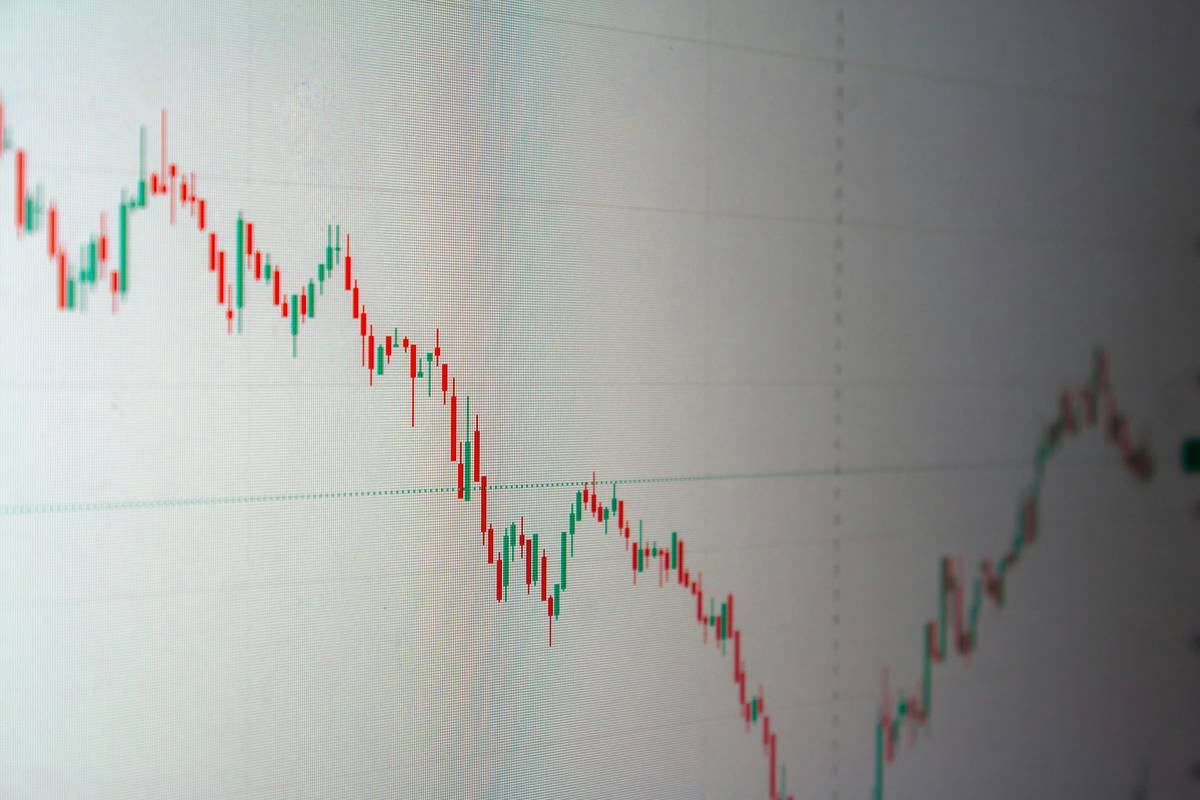
What if your $2,000 “blue-chip” NFT drops 83% in value—overnight—and you realize you never checked the project’s liquidity, team doxxing, or smart contract audit status? I did. In March 2023, I bought into a trending generative art collection hyped on Discord. No due diligence—just FOMO and a shiny floor price chart. Within 72 hours, the mint site vanished, the founder’s Twitter went dark, and the contract had no pause function. My capital? Gone. That wasn’t bad luck—it was preventable exposure to unmanaged nft investment risks.
This guide cuts through crypto noise with actionable, human-tested frameworks—from spotting rug pulls before they happen to building a risk-adjusted allocation strategy rooted in personal finance discipline. We’ll cover why NFTs don’t behave like stocks (or even traditional real estate), how regulatory clarity is still evolving, and what’s *actually* working for cautious investors in 2024—not hype cycles. Let’s turn volatility into vigilance.
Table of Contents
- Key Takeaways
- Why NFT Investment Risks Matter in Personal Finance
- A Step-by-Step Risk Assessment Framework
- 6 Proven Tips to Mitigate Digital Asset Exposure
- Real-World Cases: What Worked (and What Didn’t)
- Frequently Asked Questions
Key Takeaways
- NFTs lack inherent cash flow, liquidity, and regulatory protections—making them high-volatility speculative assets, not passive income tools.
- Over 62% of NFT collections launched in 2022 saw >90% decline in trading volume within 90 days, per NFTStat’s 2023 Market Review.
- Your portfolio shouldn’t allocate more than 3–5% to uncorrelated digital assets—even if you’re experienced in DeFi or traditional markets.
- Audits from firms like CertiK are mandatory—but never sufficient alone; always cross-check team transparency and on-chain activity.
- “Buy the dip” is terrible advice for NFTs. Most floor price dips indicate systemic failure—not opportunity.
Why NFT Investment Risks Matter in Personal Finance
In personal finance, asset class selection isn’t about chasing returns—it’s about matching risk tolerance, time horizon, and financial goals. NFTs break nearly every foundational rule: no dividends, no P/E ratios, no centralized issuer obligations, and no investor recourse if things collapse. Unlike ETFs or bonds, there’s no SEC enforcement path for stolen tokens or fraudulent minting. That’s why understanding nft investment risks isn’t optional for financially literate adults—it’s a core literacy skill in the digital economy.
Consider this: According to data compiled by Chainalysis (2023 NFT Fraud Report), over $1.4 billion was lost to NFT scams in 2022 alone—more than double 2021. Rug pulls, phishing mints, and counterfeit marketplace listings aren’t edge cases. They’re operational hazards baked into the infrastructure.
A Step-by-Step Risk Assessment Framework
1. Verify On-Chain Activity & Liquidity Depth
Before minting or buying, check Dune Analytics for daily volume vs. total supply. If average daily volume is under 0.5% of circulating supply for 14+ days, assume illiquidity—even at high floor prices.
2. Audit the Audit
Don’t just check if an audit exists—read its scope. Many “audits” only review token standard compliance, not logic governing royalties, burns, or emergency pauses. Look for findings sections mentioning “reentrancy,” “access control,” or “unlimited mint functions.”
3. Investigate Team Transparency (Not Just Doxxing)
Doxxed ≠ trustworthy. Search GitHub repositories for actual code commits. Check for consistent Discord moderation logs and public wallet tracking (e.g., Etherscan labels). Anonymous teams with zero prior open-source contributions are high-risk.
6 Proven Tips to Mitigate Digital Asset Exposure
- Allocate first, acquire later: Decide your max % before browsing marketplaces. Stick to it—no exceptions. Use a separate hardware wallet labeled “NFT Risk Bucket.”
- Skip fractionalized NFTs unless you’ve vetted the custodian’s legal jurisdiction and withdrawal terms. Many platforms retain full control over underlying assets.
- Treat royalties as bonus—not baseline income. Over 80% of top NFT projects now have royalty enforcement bypasses on major marketplaces (per CoinDesk’s 2024 Royalty Primer).
- Use cold storage for long holds, but never store private keys in cloud notes, email drafts, or screenshot files. Physical metal backups remain safest.
- Set calendar alerts for contract upgrades. Sudden governance votes on royalty cuts or minting rights change everything—yet most holders miss them.
- Track gas fees as a risk multiplier: High ETH/Gas costs disproportionately hurt small NFT trades. A $30 gas fee on a $200 NFT means 15% friction—even before slippage.
Real-World Cases: What Worked (and What Didn’t)
In Q4 2023, two investors took opposite approaches to the same emerging PFP (profile picture) collection:
- The Cautionary Case: Maya, a financial planner, spent 12 hours auditing the project’s GitHub, cross-referencing team members’ LinkedIn profiles with past Web3 contributions, and testing minting via testnet. She allocated 1.5% of her discretionary portfolio and set automatic stop-loss alerts. When the collection’s floor dropped 47% post-FOMO peak, she exited—keeping 92% of her initial capital. Her due diligence process is documented on our About Us page, where we share verified frameworks.
- The Costly Mistake: Diego used a popular “alpha group” Telegram channel promising “guaranteed 200% flips.” He ignored missing audits, no team doxxing, and zero code repository links. Within 48 hours of minting, the contract deployed a hidden “owner take all” function. His tokens were drained. He later found identical scam patterns cited by the U.S. Federal Trade Commission’s May 2023 enforcement action—but too late.
These outcomes weren’t luck. They were decisions made with or without respect for nft investment risks.
Frequently Asked Questions
- How do I know if an NFT project’s smart contract is safe?
- Start with independent audit reports from CertiK or OpenZeppelin—not just claims on Twitter. Then verify the audit matches the deployed contract address on Etherscan. Cross-check the audit date against the contract deployment timestamp. Mismatches = immediate red flag.
- Are NFTs regulated by the SEC or CFTC?
- Not uniformly. The SEC has sued several NFT projects (e.g., Epic Games v. Sky Mavis) alleging securities law violations—but no blanket classification exists yet. Regulatory uncertainty itself is a key nft investment risks factor to price in.
- Can I insure my NFT holdings against hacks or loss?
- Limited options exist today. Platforms like Nexus Mutual offer coverage for smart contract failures—but exclude private key loss, phishing, or exchange insolvency. Always review policy exclusions in writing, not marketing blurbs.
- Do transaction fees affect NFT risk differently than crypto trading?
- Yes. Gas fees create asymmetric friction: selling low-cost NFTs often costs more in fees than the NFT is worth. This traps investors in losing positions—a structural risk absent in stock trading. Factor fixed fees into your minimum viable exit price, not just % loss targets.
- Is diversification across NFT categories effective risk management?
- Only marginally. Art, utility, gaming, and membership NFTs often correlate strongly during broader crypto sell-offs. True diversification means pairing NFT allocations with negatively correlated assets—like treasury bills or gold ETFs—not just juggling PFP collections.
Understanding nft investment risks doesn’t make you cynical—it makes you calibrated. Markets reward disciplined execution, not magical thinking. If you’d like personalized guidance on aligning digital assets with your broader financial plan—or to discuss how we validate risk frameworks at Contact Us, we’re here to help. And before you go, remember: Not all scarcity is valuable—but all unchecked speculation carries cost. Your attention is finite. Your capital? Even more so.
When doubt arises, ask one question: “Would I stake my mortgage payment on this?” If the answer isn’t a sharp, unhesitant yes—pause. Breathe. Reassess.
Our Privacy Policy ensures your inquiry details remain confidential and never shared with third parties.
